

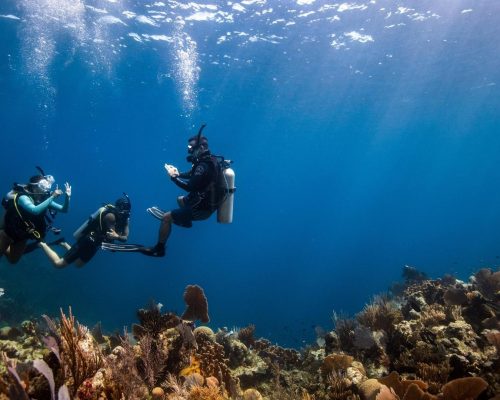
Want to find out what scuba diving is like before deciding to get your PADI Open Water Diver scuba diving certification? During a Discover Scuba® Diving experience, you can try scuba diving for the first time in a pool or calm water environment. A highly-trained PADI® Professional will provide scuba gear, explain basic scuba diving skills and answer any questions you may have.
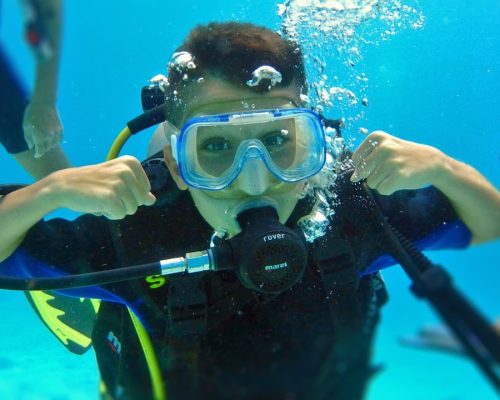
Bubblemaker is as fun as it sounds - a chance for kids to blow bubbles by scuba diving. Children who are at least 8 years old can use scuba gear to breathe underwater and swim around in shallow water. Have a party or celebrate a birthday by throwing a memorable time. A child must be 8 years old or older. Kids must be comfortable in the water, but no prior experience is necessary. Parental approval is required.
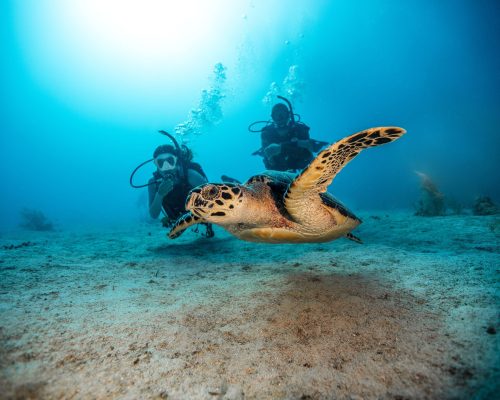
PADI® Open Water Diver is the first scuba certification level. A highly-trained PADI Instructor will teach you how to scuba dive in a relaxed, supportive learning environment. By the end of the course, you'll have the skills and knowledge to dive at home or abroad and be an ambassador for the underwater world.
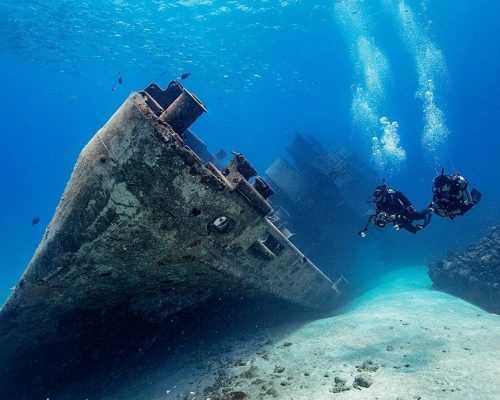
The Advanced Open Water Diver course is all about advancing your skills. You'll practice navigation and buoyancy, try deep diving and make three specialty dives of your choosing (it's like a specialty sampler platter). For every specialty dive you complete, you can earn credit toward PADI® specialty certifications.
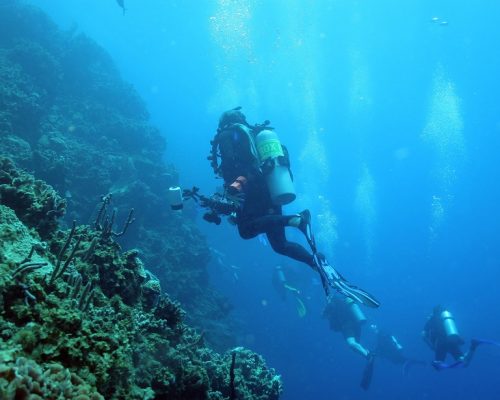
In the old days, dive profiles were calculated from the surface down to a maximum depth, then back to the surface. Now, dive computers continually analyze your depth - giving you more bottom time for going shallower and allowing you to maximize your dive time. If you'd like to understand more about dive computers and learn how you can use tools like the eRDPMLTM to plan multilevel dives, then the Multilevel Diver Specialty course is for you. If you're a PADI (Junior) Open Water Diver who is at least 12 years old, you can enroll in the Multilevel Diver course.
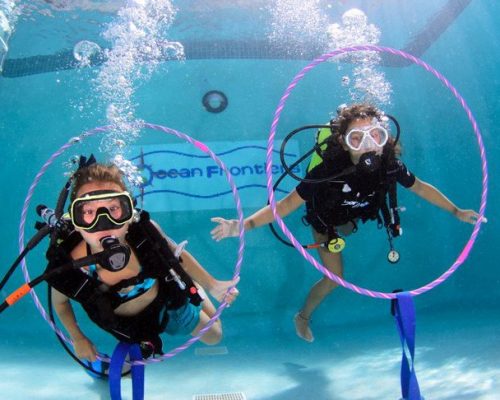
The PADI Seal Team is for young scuba divers who are looking for action-packed fun in a pool by completing exciting AquaMissions. Have you ever wondered what it's like to dive with flashlights, take digital pictures underwater or float effortlessly like an astronaut? Beyond learning basic scuba skills, there are specialty AquaMissions, such as wreck diving, navigation, buoyancy, environmental awareness and more. PADI Seal Team includes doing some cool stuff in the pool, meeting friends and sharing in the adventure of the underwater world. To join the PADI Seal Team, a child must be 8 years of age or older. No prior experience with scuba diving is necessary, but kids should be comfortable in the water. Parental approval is required.
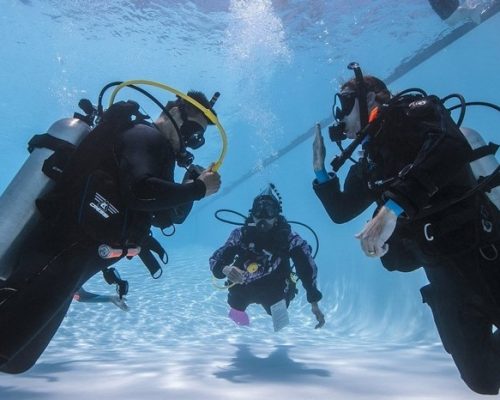
The PADI® Rescue Diver course will change the way you dive – in the best possible way. Learn to identify and fix minor issues before they become big problems, gain a lot of confidence and have serious fun along the way. Discover why countless divers say Rescue Diver is their favorite scuba course.
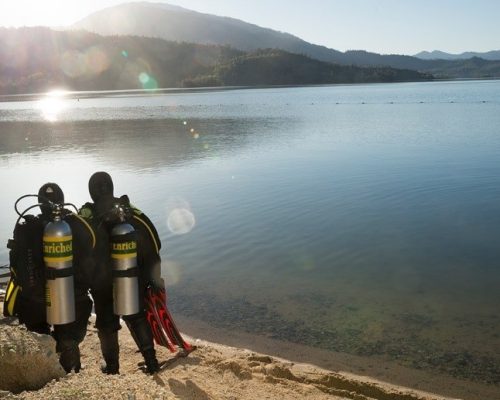
Enriched air, also known as nitrox or EANx, contains less nitrogen than regular air. Breathing less nitrogen means you can enjoy longer dives and shorter surface intervals. No wonder Enriched Air Diver is the most popular PADI® specialty.
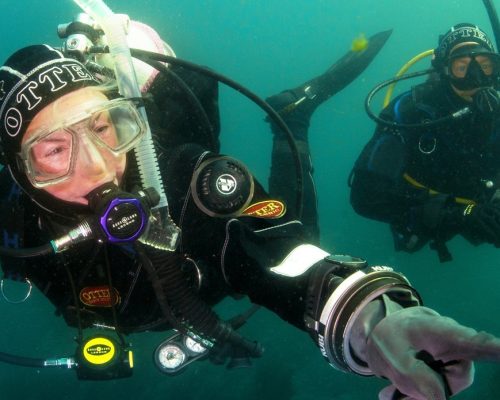
Unlike wetsuits, drysuits are filled with air. During your drysuit course, your instructor will teach you how to control the air in your drysuit along with your buoyancy. You'll also learn about different types of drysuits, basic drysuit repairs and maintenance.
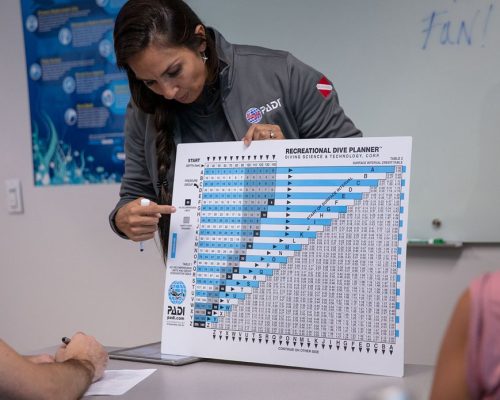
Dive Theory will dramatically expand your understanding of dive physics, physiology, equipment, decompression theory and dive planning. Any diver can complete Dive Theory eLearning for personal enrichment. Ask WeDive.ae to help you
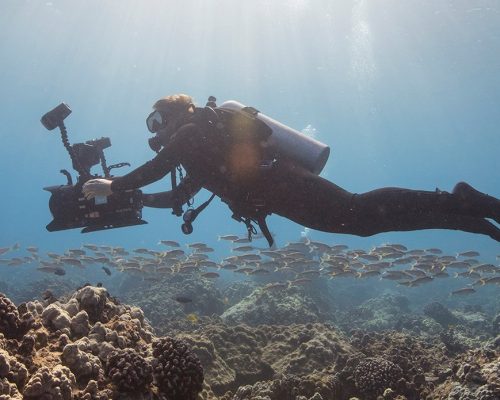
During the PADI® Digital Underwater Photographer course, you’ll learn how to take underwater photos you’ll be proud to share with others. Avoid beginner mistakes and shorten the learning curve with tips from the pros. Learn how to use underwater photography lights (strobes), avoid backscatter and enhance color.
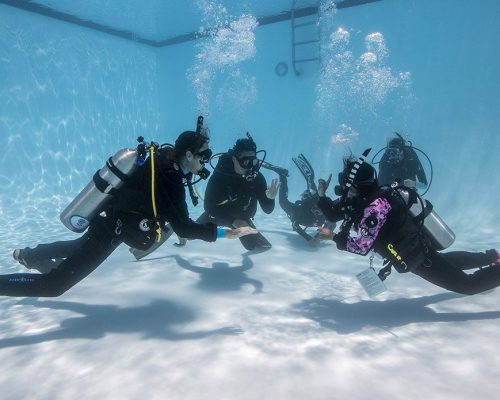
ReActivate is the engaging, efficient way to refresh your dive knowledge and scuba skills. Move quickly through topics you know well, dive deeper on topics where your knowledge may have lapsed. To get a “ReActivated” card, schedule inwater practice with WeDive.ae.
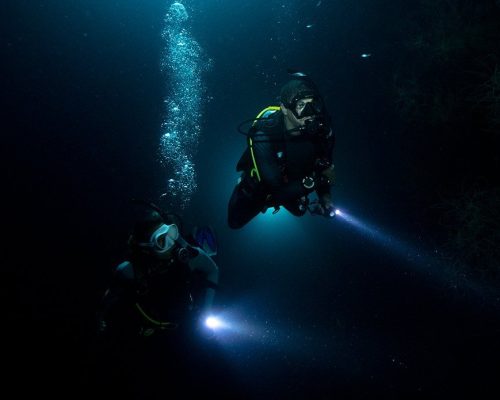
The thought of dipping below the surface at night seems mysterious, yet so alluring. Although you've been scuba diving at a site many times before, at night you drop into a whole new world and watch it come to life under the glow of your dive light. The scene changes as day creatures retire and nocturnal organisms emerge. If you've wondered what happens underwater after the sun goes down, sign up for the PADI Night Diver Specialty course. PADI (Junior) Open Water Divers or higher, who are at least 12 years old, can enroll in the Night Diver specialty course.
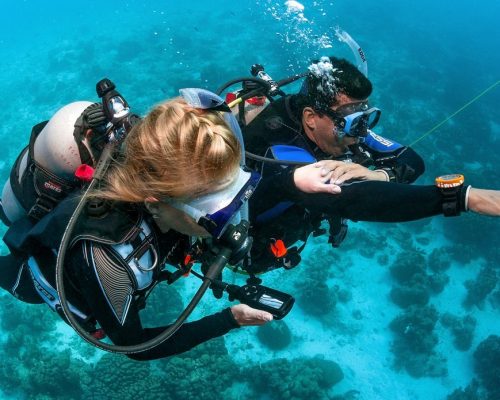
Be the scuba diver everyone wants to follow because you know where you are and where you're going. The PADI Underwater Navigator course fine-tunes your observation skills and teaches you to more accurately use your compass underwater. If you like challenges with big rewards, take this course and have fun finding your way. If you're a PADI (Junior) Open Water Diver who is at least 10 years old, you can enroll in the PADI Underwater Navigator Specialty course.
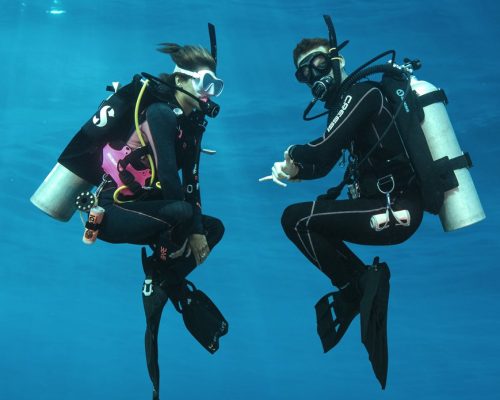
Excellent buoyancy control is what defines skilled scuba divers. You've seen them underwater. They glide effortlessly, use less air and ascend, descend or hover almost as if by thought. They more easily observe aquatic life without disturbing their surroundings. You can achieve this, too. The PADI Peak Performance Buoyancy Specialty course improves the buoyancy skills you learned as a new diver and elevates them to the next level. PADI (Junior) Open Water Divers or higher, who are at least 10 years old, are eligible to take the Peak Performance Buoyancy course.
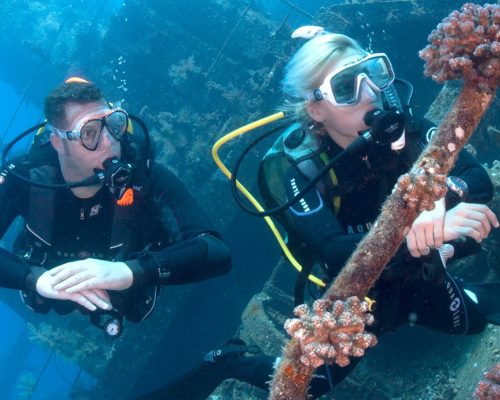
Whether purpose-sunk as an artificial reef for scuba divers, or lost as the result of an accident, wrecks are fascinating windows to the past. Ships, airplanes and even cars are fascinating to explore and usually teem with aquatic life. Each wreck dive offers a chance for discovery, potentially unlocking a mystery or spying something others have missed. The PADI Wreck Diver Specialty course is popular because it offers rewarding adventures while observing responsible wreck diving practices. If you're at least 15 years old and have earned a PADI Adventure Diver certification or higher, you can enroll in the Wreck Diver Specialty course.
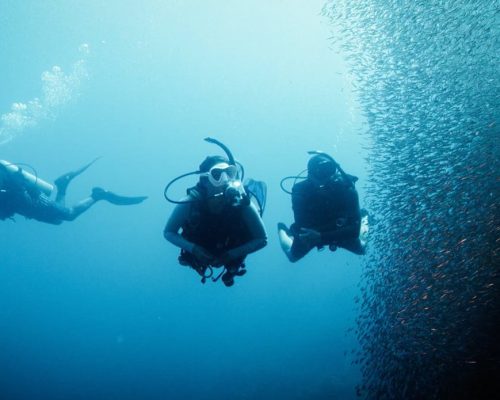
During the PADI® Deep Diver course, you'll learn how to plan deep dives, manage your gas supply and how to identify and manage narcosis. You'll learn about buddy contact procedures, safety considerations and buoyancy control at depth.
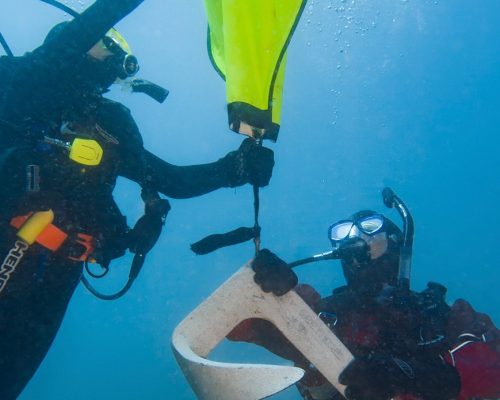
The next time someone loses an item underwater, you can be the hero that finds the missing object. In the PADI® Search and Recovery course, you’ll learn how to find lost objects underwater. You’ll practice different types of underwater search patterns and learn how to use a lift bag as you plan and execute mock search operations.
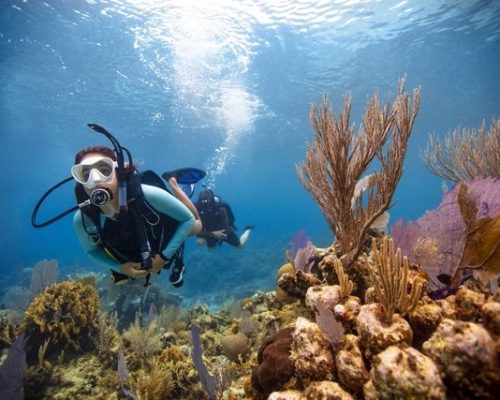
The PADI Scuba Diver course is a subset of the PADI Open Water Diver course. If you're short on time but really want to become a diver, the PADI Scuba Diver rating might be right for you ̶ particularly if you expect to go scuba diving primarily with a dive guide. This course is an intermediate step for earning an Open Water Diver certification, if that's your ultimate goal. PADI Scuba Divers are qualified to: Dive under the direct supervision of a PADI Professional to a maximum depth of 12 metres/40 feet. Obtain air fills, rent or purchase scuba equipment and participate in dive activities as long as properly supervised. Continue dive training by completing the PADI Open Water Diver certification and taking certain specialty diver courses.
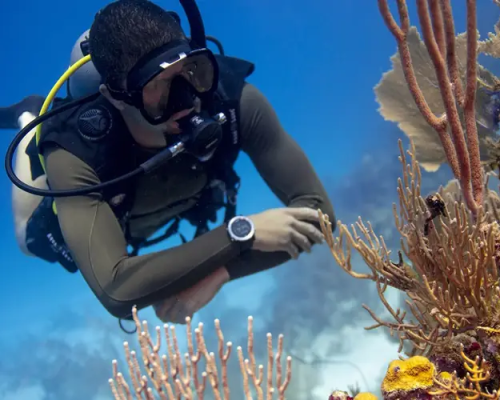
The Adventure Diver course is a subset of the PADI Advanced Open Water Diver Course. Have you always wanted to try digital underwater photography, fish identification or dry suit diving? There's a long list of scuba adventures you can take part in during this program. Complete three Adventure Dives and you earn the Adventure Diver certification. It's a great opportunity to work with your instructor to build your scuba skills and gain more confidence. Get a taste of what you like and enjoy scuba diving more than ever. Get credit! Each Adventure Dive may credit toward the first dive of the corresponding PADI Specialty Diver Course. If you've already taken a specialty diver course, ask your instructor if you've earned credit for an Adventure Dive. PADI (Junior) Open Water Divers who are at least 10 years old and want to take the next step should enroll in an Adventure Diver course. Young divers may only participate in certain Adventures Dives - check with your PADI Instructor.
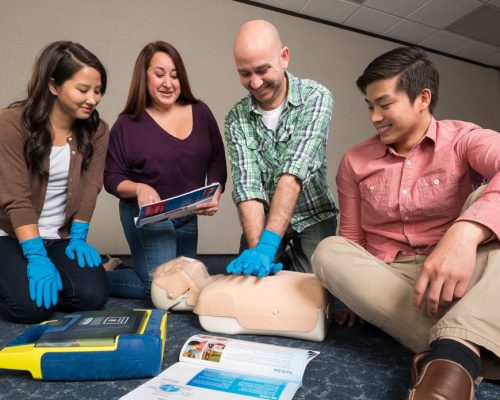
Emergency First Response® primary and secondary care training teaches you what to do in the critical moments between when a life-threatening emergency occurs and when emergency medical services arrive. Learn how to perform CPR, provide first aid that eases pain, assess a variety of injuries and illnesses and practice bandaging and splinting.
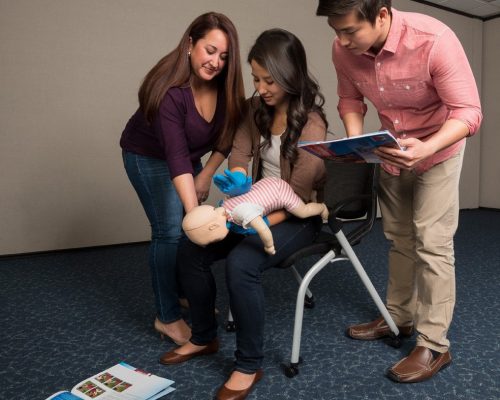
Get the skills you need to confidently identify and respond to the most common childhood injuries and illnesses. Provide care that reduces the risk of further harm and gain valuable insights into the emotional aspects of caring for children. Learn the special procedures for providing first aid and CPR to infants and children.
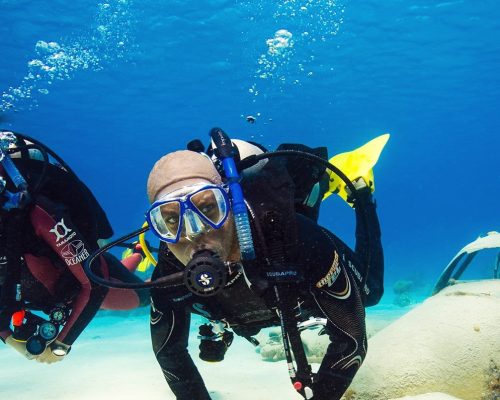
Join the best of the best in recreational scuba diving and live the dive life as a PADI Master Scuba Diver. The Master Scuba Diver rating places you in an elite group of respected divers who have earned this rating through both significant experience and scuba training. Fewer than two percent of divers ever achieve this rating. When you flash your Master Scuba Diver card, people know that you've spent time underwater in a variety of environments and had your share of dive adventures. Every diver, who is at least 12 years old, should aim for Master Scuba Diver. The path starts with earning a PADI Open Water Diver certification, followed by PADI Advanced Open Water Diver and PADI Rescue Diver (or qualifying certifications). You also need to earn five PADI Specialty Diver certifications and have logged a minimum of 50 dives.
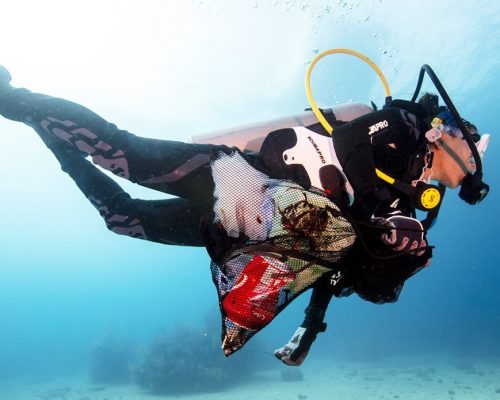
Make a difference on every dive by activating your inner citizen scientist. During the Dive Against Debris® Diver Specialty course, you’ll learn how ocean plastic and trash cleanups not only keep your local dive sites healthier, but also how to contribute to a global database that documents our planet’s marine debris problem. Under the guidance of your instructor, you’ll participate in a Dive Against Debris survey and turn your passion for the underwater world into real action.
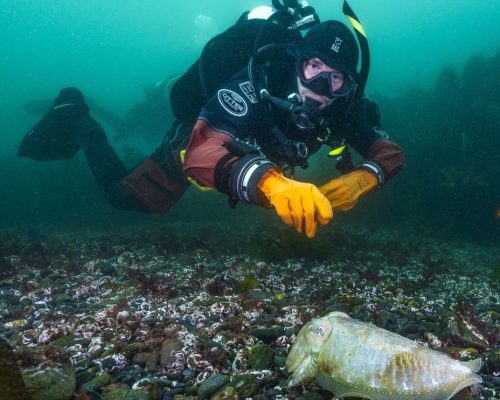
Take the PADI Underwater Naturalist Specialty course and you'll see new things, even on the most familiar scuba diving sites. Why? Because when know more about symbioses, underwater ecology, and aquatic plant and animal habitats, you notice behaviors and see creatures you may have previously missed. Learn more about the local ecosystem and take a closer look on your next scuba diving adventure. PADI (Junior) Open Water Divers who are at least 10 years old are eligible to take the Underwater Naturalist Specialty course.
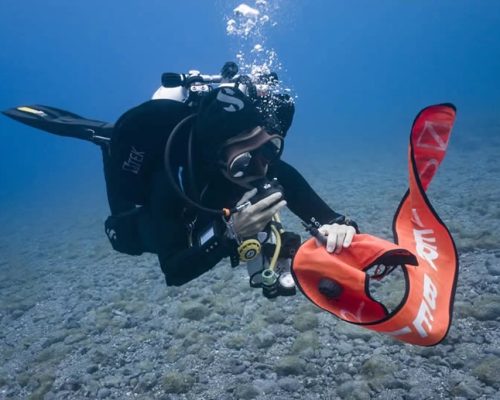
Boats and currents are two common factors associated with many dive sites. Boaters don't always recognize that divers are in the area and current can carry you further than expected. Launching a delayed surface marker buoy (DSMB) before you surface can alert others to your location in advance of your ascent. Adding another layer of safety, you can also use the DSMB line to complete your safety stop, which is advantageous in a current or when there are no other visual references. Take this course to learn about all the beneficial uses of a DSMB. You need to be a PADI Open Water Diver who is at least 12 years old to enroll in the DSMB Diver course.
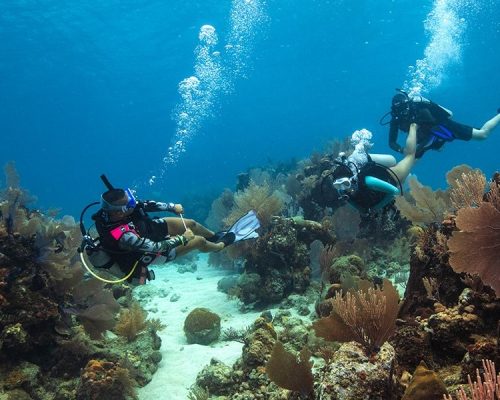
Learn how to lead underwater tours, assist with scuba classes and inspire others to care about the ocean. Hone your skills and be the diver everyone admires. PADI Divemaster is the most popular and most recognized professional scuba certification in the world. PADI Divemasters enjoy abundant career opportunities, get paid to scuba dive and share their love for the ocean.
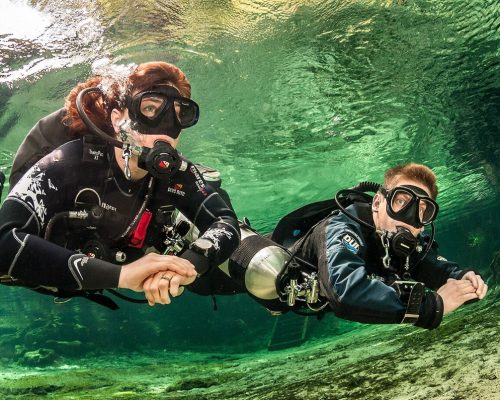
Discover the balance and efficiency of sidemount scuba diving with your PADI dive instructor. Many divers find sidemount tanks are more comfortable and easier to put on in the water. Sidemount diving is also beneficial for divers who want improved balance and prolonged dives.